What Is Scope Creep in Game Development (and How to Avoid It)
A practical explanation of scope creep in game development, why it happens, real-world examples, and concrete strategies to keep your game focused and shippable.

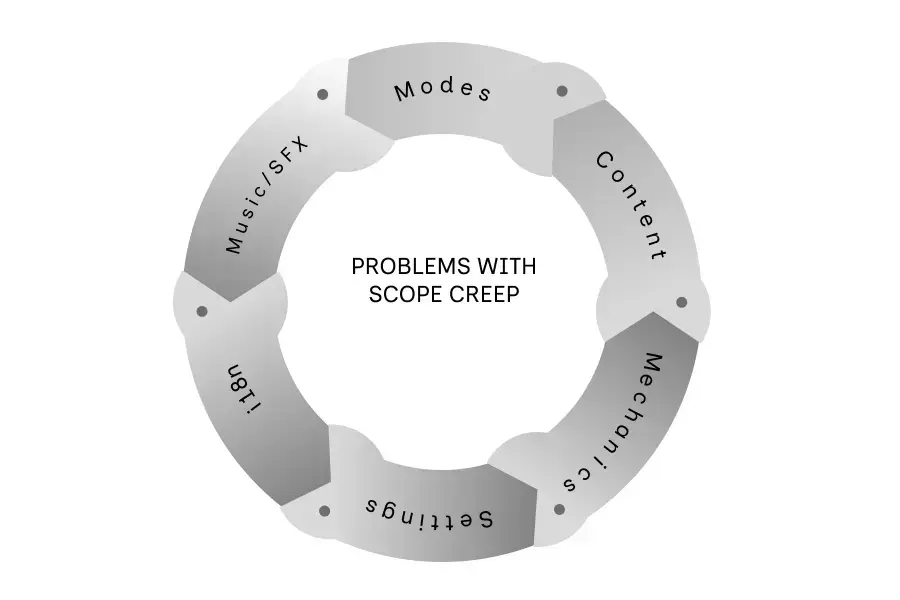
What you will read here applies to any creative project, but game development makes the effects of scope creep especially visible due to tight production constraints and interconnected systems.
Game development is a complex, iterative process. One of the most common reasons games fail to ship is not lack of skill or passion, but uncontrolled growth of the project itself. This phenomenon is known as scope creep.
What Is Scope Creep in Game Development?
Scope creep happens when features, mechanics, content, or technical requirements are added during development without being part of the original plan or without proper evaluation of their cost and impact.
Individually, these additions often seem small or reasonable. Over time, however, they accumulate, expanding the project beyond its original vision and making it harder to finish.
A Concrete Example of Scope Creep
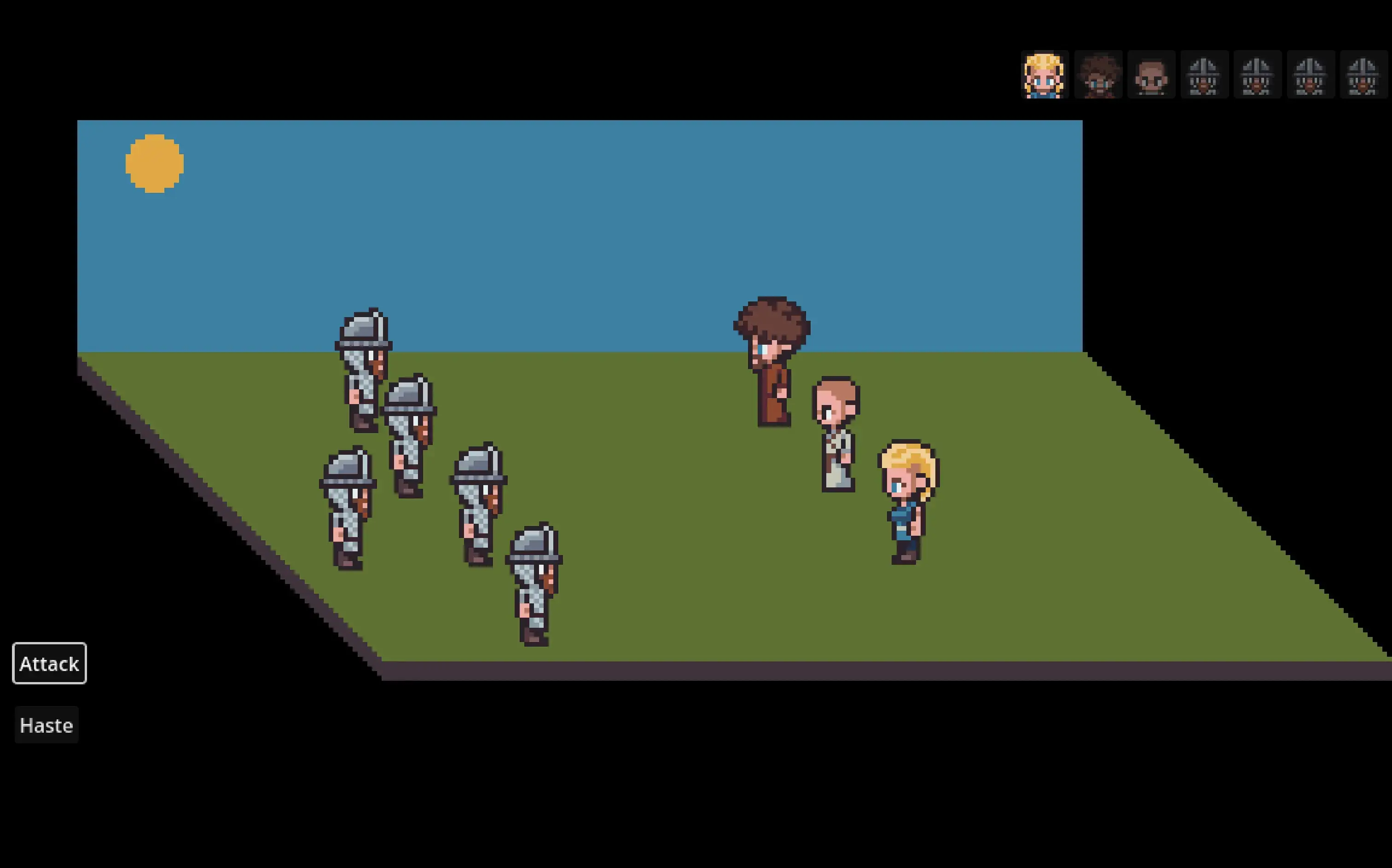
Imagine you are developing a seven-chapter adventure game focused on tactical battles that gradually increase in complexity.
Midway through development, someone suggests adding stealth mechanics. On paper, it sounds like a great enhancement. In practice, it requires:
- Redesigning level layouts
- Updating enemy AI
- Creating new animations and assets
- Rebalancing encounters
- Rewriting tutorials and documentation
What started as a single idea now affects multiple systems and delays the entire project.
Why Scope Creep Happens
Scope creep is rarely caused by bad intentions. It usually emerges from a mix of psychological and organizational factors:
- Vague or evolving project goals
- Emotional attachment to new ideas
- External feedback arriving too early
- Fear of releasing something that feels ‘incomplete’
- Lack of a formal decision process for new features
In game development, where systems are deeply interconnected, each new idea tends to ripple through the entire codebase and asset pipeline.
The Impact of Scope Creep
Unchecked scope creep has predictable consequences:
- Extended development timelines
- Increased burnout and frustration
- Loss of focus on core mechanics
- Technical debt from rushed integrations
- Higher risk of never shipping at all
Many abandoned indie games are not failures of creativity, but victims of uncontrolled scope.
How to Avoid Scope Creep
Start With a Clear Game Design Document (GDD)
Your GDD should clearly define:
- Core gameplay loop
- Essential mechanics
- Narrative scope
- Target platform and constraints
Treat it as a living reference, not a wishlist.
Define a Minimum Viable Game
Focus on the smallest version of your game that is complete, playable, and coherent. Anything beyond that is optional and should be evaluated carefully.
Introduce a Change Filter
Before accepting a new feature, ask:
- Does this serve the core experience?
- What systems does it affect?
- What will be delayed if we add this?
If the cost is unclear, the answer should default to no.
Separate Ideas From Commitments
New ideas should go into a backlog or idea list, not directly into production. Writing an idea down is often enough to reduce the anxiety of “losing it.”
Use Milestones Ruthlessly
Clear milestones help prevent mid-stream expansion. Finishing Chapter 1 is more valuable than improving Chapter 7 that does not yet exist.
Conclusion: Finish the Game You Started
Scope creep is not about bad ideas. It is about timing.
A focused, finished game will always outperform an ambitious, unfinished one. You can always expand later—but only if you ship first.
A game does not need more features. It needs clear boundaries.Share article