Systems Thinking in Game Design: How Loops Create Experience
What does “systems thinking” really mean in game design? Learn how mechanics, feedback loops, and player experience connect, with clear examples like Golden Sun and insights from Advanced Game Design.

When we describe games, we often talk about experience:
- “This game feels tense”
- “That moment was emotional”
- “The combat is satisfying”
- “The story really hit me”
But here’s the uncomfortable truth behind most great games:
Experience is not something you design directly.
Experience is something that emerges from systems.
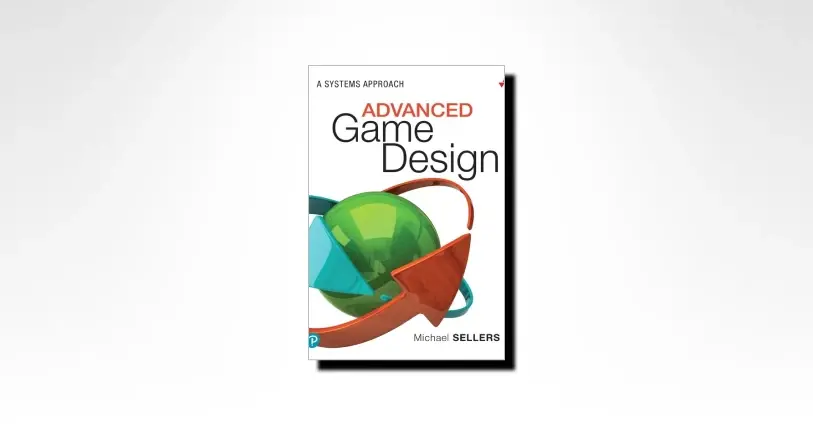
This idea is at the heart of Advanced Game Design: A Systems Approach, and once you understand it, you start seeing games — and even stories — very differently.
What Is a System in Game Design?
A system is:
A set of elements that interact through rules and relationships, producing behavior over time.
According to the book, every game system — combat, exploration, dialogue, economy, narrative — shares three basic ingredients:
-
Elements (things that exist)
-
Relationships (rules and interactions)
-
Time (the system must run)
This definition is deliberately simple. It doesn’t tell you how to design — it tells you what kind of thing a game actually is.
The Three Levels of a Game System
Michael Sellers proposes thinking about systems using three levels. These are not different systems, and they are not steps in a pipeline.
They are three ways of looking at the same system.
First level: Micro level with variables and states
- Micro Level: Variables and State
The micro level is where designers usually start — and often stop.
This is where we define things like stats, resources, abilities, flags or values.
Examples: health, mana, trust, knowledge, alignment, items…
But here’s the key point:
The micro level is not about listing things.
It’s about defining their state and behavior.
Saying “we have health” is not design. Design starts when you ask:
- How does health change?
- When does it regenerate?
- What happens when it’s low?
- What other variables does it affect?
A Small but Important Clarification
You may notice that the micro level sounds similar to “system elements”.
That’s intentional.While ingredients describe what must exist for any system, the micro level describes the specific variables and their state in this system
The micro level is where abstract ideas become designable reality.
Second level: Feedback loops and interactions (Dynamic level)
The dynamic level asks a different question:
What happens again and again?
This is where feedback loops appear.
| Type | Description |
|---|---|
| Positive feedback loop | Success makes future success easier, failure makes recovery harder |
| Negative feedback loop | Success creates resistance, failure creates assistance |
At this level, we stop looking at individual actions and we start looking at patterns.
Nothing new is added here: we’re just observing how micro-level variables interact over time.This is where systems become interesting!
Third level: What the player feels
Players do not experience variables, rules or loops.
They experience tension, calm, pressure, confidence, doubt, and mastery.And this is the crucial insight:
Experience is the shape that a system draws over time.
Change the variables → loops change → experience changes.
You don’t design “fear”. You design scarcity, risk, and irreversible consequences — and fear emerges.
A Concrete Example: Golden Sun and Golden Sun: The Lost Age
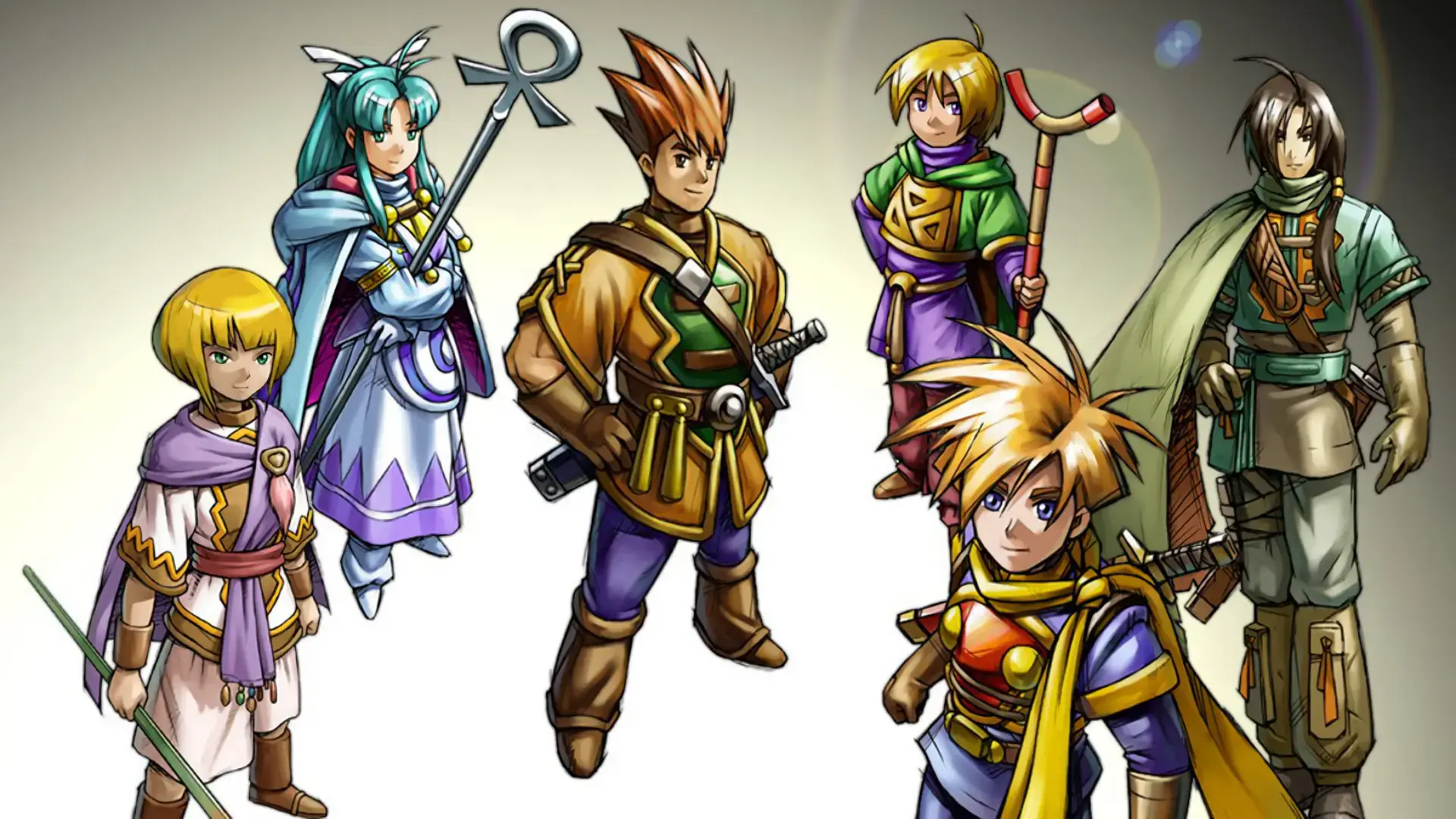
It is one of my favorite sagas, and it is a great example of how systems thinking can help us understand game design.
A game can have multiple systems. For example, the adventure system, the battle system, the exploration system, and so on. Each of these systems can be analyzed using the three levels mentioned before. In the best of the cases, these systems interact with each other to create a more complex experience!. For example, the battle system can affect the adventure system by changing the resources available for exploration, and the adventure system can affect the battle system by providing new abilities or items.
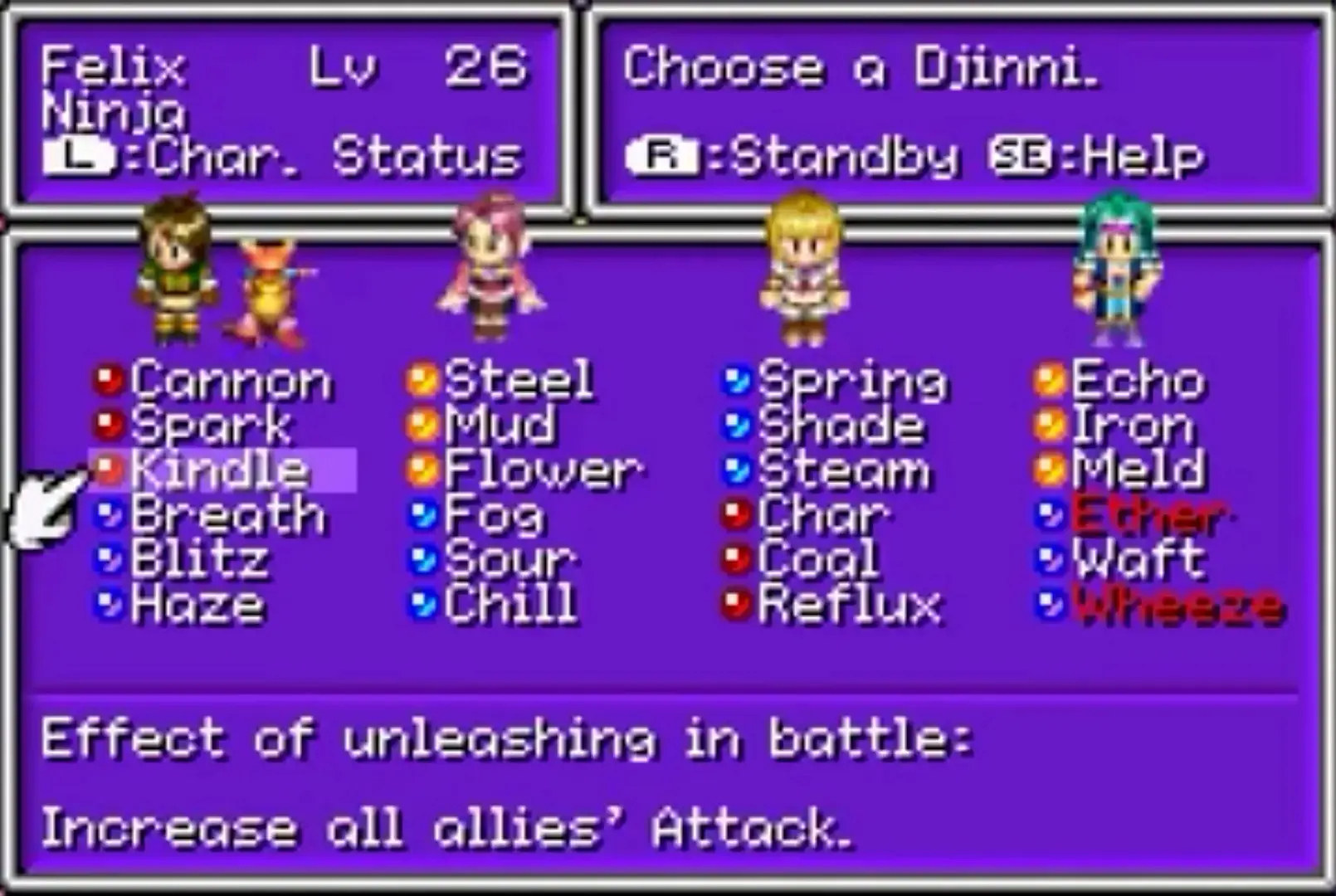
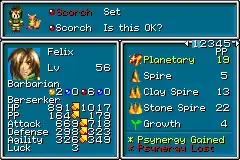
This is exactly what happens when you acquire new Djinns in Golden Sun! The djinns are the small creatures that you can set in battle to change your class and stats. The way they interact with the battle system creates a lot of interesting feedback loops that affect the player experience.
Micro level
- Djinn have multiple states (set, standby, recovery)
- Classes shift dynamically
- Stats fluctuate based on Djinn usage
Dynamic level
- Using powerful abilities temporarily weakens the party
- Weakness increases risk
- Timing becomes more important than raw power
Experience level
- Tactical tension
- Planning over brute force
- A constant sense of trade-offs
Golden Sun doesn’t tell you how to feel. It lets the system teach you!
Why Systems Thinking Matters for All Types of Games
Systems thinking is not just for combat-heavy or simulation games.
Narrative games also rely on systems:
- Trust can rise or decay
- Beliefs can conflict
- Knowledge can unlock or destabilize outcomes
- Rituals can succeed, fail, or partially misfire
When story is treated as a system:
- The world reacts
- Meaning emerges from player action
- Narrative feels lived, not delivered
A Simple Mental Model
If you ever feel lost, ask three questions:
- Micro → “What has state?”
- Dynamic → “What repeats?”
- Experience → “What pattern does this create for the player?”
If you can answer all three, you understand the system.
Conclusion
Games are not collections of features. They are systems that produce meaning over time.
- The micro level gives you control
- The dynamic level gives you behavior
- The experience level gives you human impact
Understanding this doesn’t limit creativity — it focuses it.
And once you see games this way, it’s very hard to unsee it.
FAQ about Systems Thinking in Game Design
No. They are three perspectives on the same system.
References
Golden Sun Banner Image: https://gamesdb.launchbox-app.com/games/images/3569-golden-sun
Share article